





















Trump Urged Minneapolis De-Escalation, But Tensions Quickly Resurfaced

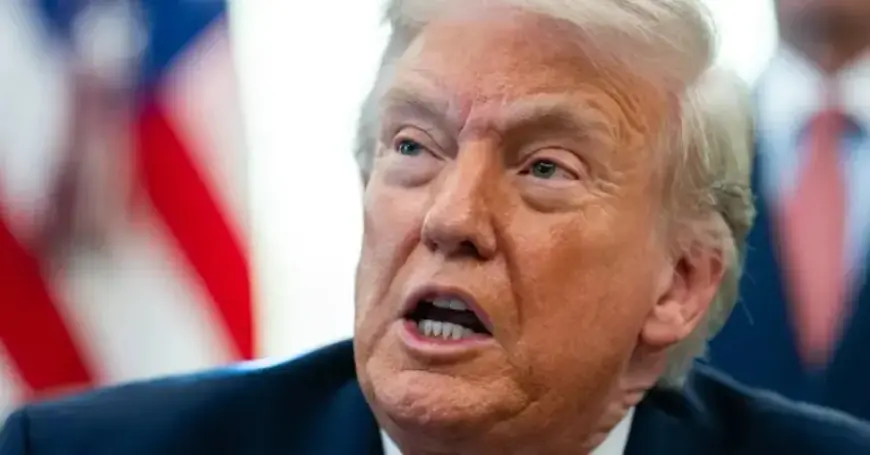
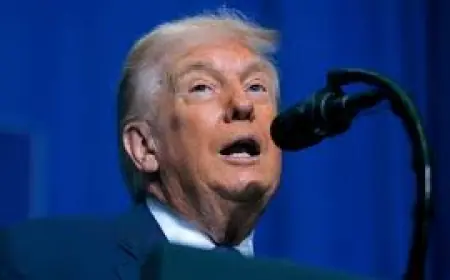
President Donald Trump’s administration faced intense scrutiny following a federal crackdown in Minneapolis, which led to the deaths of two U.S. citizens. In an attempt to alleviate rising tensions, the president suggested a slight de-escalation of federal operations, stating, “We’re going to de-escalate a little bit.” However, he quickly reinforced his stance, declaring he would not withdraw federal agents from the area.
Tensions Emerge in Minneapolis
After federal agents shot Alex Pretti, a 37-year-old citizen, Trump referred to him as an “agitator” in an early morning social media post. This conflicting rhetoric reflected a common pattern in Trump’s responses during political crises. While he initially acknowledged the need to calm the situation, he soon reasserted his original position against pullback.
Previous Incidents
This pattern was also evident following the January 6 Capitol attack and the violent rallies in Charlottesville. Each time, Trump displayed a tendency to soften his tone temporarily before reverting to previous beliefs. Alyssa Farah Griffin, his former White House communications director, noted that he often adjusts his messaging based on public sentiment, which has recently shifted regarding the Minneapolis shootings.
Federal Response and Local Concerns
Despite claims of de-escalation, local officials in Minnesota reported that aggressive tactics from federal agents were continuing. State Representative Michael Howard stated, “In a way, things have gotten worse and escalated.”
- Gregory Bovino, a Border Patrol official, was replaced by immigration adviser Tom Homan.
- Homan expressed a willingness to collaborate with local authorities to ease federal presence.
Trump’s hard-right supporters urged him to maintain a strong stance. Stephen K. Bannon declared, “There can be no de-escalation at all.” Meanwhile, negotiations continued in Washington, with Senate Democrats and Republicans discussing government funding while addressing calls for limiting federal immigration enforcement.
Investigations and Public Reactions
In light of the shootings, the Justice Department initiated a civil rights investigation into Pretti’s death. Meanwhile, the arrest of two journalists covering events related to immigration enforcement unleashed further backlash. Minnesota officials condemned these actions, emphasizing the importance of protecting journalistic freedom.
Protests erupted across Minneapolis as citizens confronted federal and local authorities. Calls for accountability and an end to aggressive enforcement tactics echoed through the community. Sarah Matthews, a former deputy press secretary, criticized Trump’s inability to de-escalate and warned that his responses repeatedly ignited discord.
Conclusion
The situation in Minneapolis continues to evolve amid conflicting messages from the Trump administration. As tensions remain high, it is uncertain whether any meaningful changes will translate into actions that alleviate community concerns. The focus now shifts to how both local and federal officials will respond to mounting pressures and public sentiment.