
























Trump’s Threat to ‘Decertify’ Canadian Planes Endangers Safety

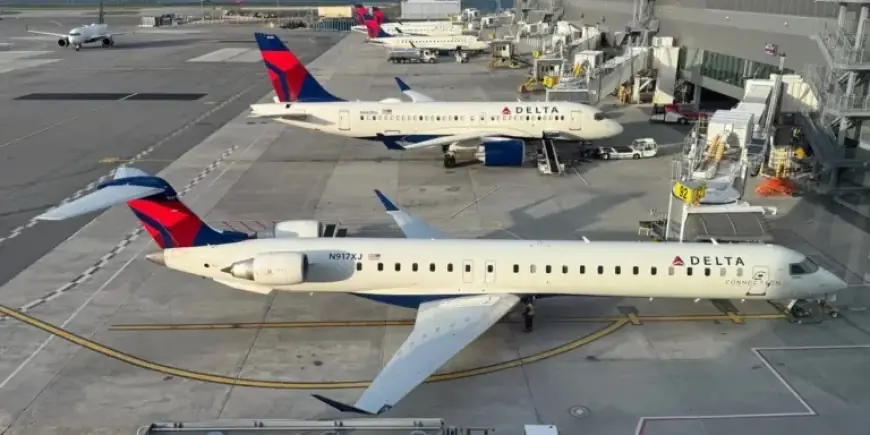
President Donald Trump has posed a significant threat to aviation safety by indicating plans to “decertify” Canadian-made aircraft. This move impacts many U.S. regional carriers, which rely heavily on these planes.
Trump’s Threat to ‘Decertify’ Canadian Planes
Industry experts have raised concerns that Trump lacks the authority to unilaterally declare aircraft unworthy. According to Henry Harteveldt, an industry authority and president of Atmosphere Research Group, such decisions are the responsibility of the Federal Aviation Administration (FAA).
This situation escalated amid ongoing trade tensions between the U.S. and Canada. The conflict intensified when Canada failed to fully certify newer U.S.-made Gulfstream jets for its airspace, although older models received approval.
Implications of Decertification
- Trump’s declarations could lead to a 50% tariff on Canadian aircraft sold in the U.S.
- The decertification threat could affect over 2,000 Bombardier passenger airliners already in service.
- SkyWest, the largest operator of Canadian-made planes in the U.S., runs 238 Bombardier CRJ aircraft.
- The situation might result in thousands of flight cancellations daily if implemented.
Furthermore, a 50% tariff on these aircraft could hike airline ticket prices significantly, impacting consumers across the country.
Safety Concerns
Aviation analysts, including Richard Aboulafia from AeroDynamic Advisory, warn that politicizing aircraft certification could compromise safety. He asserts that safety assessments should be independent of trade tensions.
The delay in Gulfstream certification in Canada is attributed to independent regulatory decisions rather than obstructionism. The FAA granted Gulfstream an exemption from certain fuel-icing rules, allowing the aircraft to operate conditionally in the U.S. while still awaiting full certification.
Historical Context
Past incidents emphasize the risks of neglecting thorough certification protocols. The catastrophic failures of the Boeing 737 Max, which led to two fatal crashes and 346 deaths, highlight the consequences of insufficient oversight. This tragedy prompted regulatory bodies worldwide to rethink their certification processes.
In light of these developments, it is essential for regulators, including those in Canada, to prioritize independent evaluations over reciprocal certifications to ensure public safety in aviation.
As the situation unfolds, stakeholders in the aviation industry will be closely monitoring the implications of Trump’s threat on both safety and trade relations.