
























Explore 2026 Winter Olympics Excitement Amid Cost Concerns

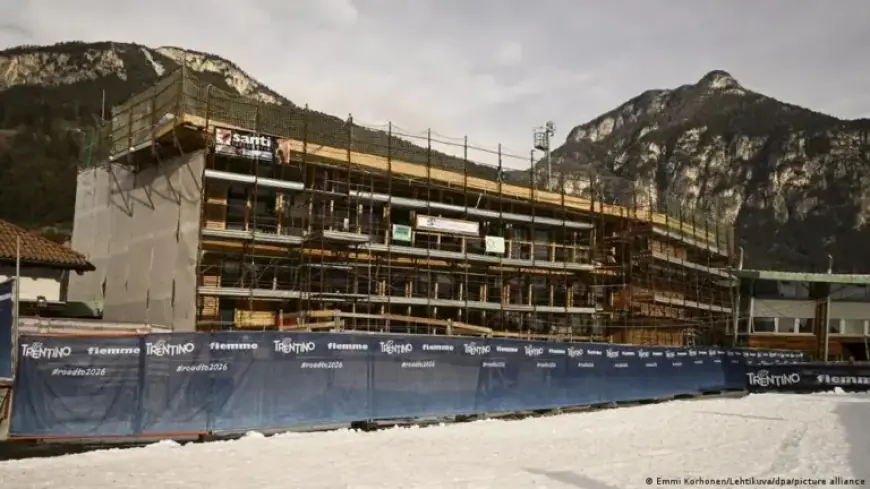
The preparations for the 2026 Winter Olympics are raising concerns, particularly regarding costs and local support. Scheduled to take place in Milan and Cortina, Italy, the event has faced significant setbacks, including a delayed ice rink and a controversial bobsleigh track.
Cost Concerns Amid Planning Challenges
Experts estimate the budget for the 2026 Winter Olympics will exceed $3.5 billion (€3 billion). While some predict an economic boost of around €5 billion from increased tourism and infrastructure improvements, these figures remain uncertain.
- Estimated Budget: $3.5 billion (€3 billion)
- Projected Economic Boost: €5 billion
The history of Olympic Games has revealed a pattern of rising costs and unfinished projects. Victor Matheson, an economics professor at the College of the Holy Cross, emphasizes the inexcusable delays in facility readiness, specifically referring to the ice rink.
Local Sentiment on Hosting Olympics
Concerns from local citizens echo through the region. Many express discontent over taxpayers bearing the financial burden for the Olympics, questioning whether hosting the Games is worth it. Matheson pointed out that citizens in vibrant democracies often voice their opposition more strongly than those in places where public opinion has little impact on decision-making.
International Olympic Committee’s Role
The International Olympic Committee (IOC), a non-profit entity, allocates a significant portion of its revenues back to sports development and host cities. In 2018, the IOC pledged $925 million for Milan-Cortina, a figure lower than that provided to Beijing for the 2022 Games. Matheson highlights that the IOC’s sustainable Olympics model stems partly from necessity rather than altruism.
Current Challenges in Local Organization
Many of the issues facing the Milan-Cortina Games stem from the local organizing committee, not the IOC. The latter has shown flexibility, suggesting alternative venues, such as moving some sliding events to Switzerland to alleviate financial pressure.
Furthermore, ongoing debates about the viability of rotating hosts could provide a solution. This model could minimize costs, though selecting appropriate hosts remains a challenge, especially when political structures are in flux.
Future of Olympic Hosting
Looking ahead, the upcoming Summer Olympics in Los Angeles in 2028 are garnering attention for their innovative approaches to reducing costs and environmental impact. By utilizing existing infrastructure, these games aim to enhance fan access and increase revenue.
The conversation surrounding the 2026 Winter Olympics is not merely about sports; it reflects deeper social and economic issues. As we inch closer to the Games, the focus will remain on how these concerns will be tackled and whether they can set a precedent for future events.