









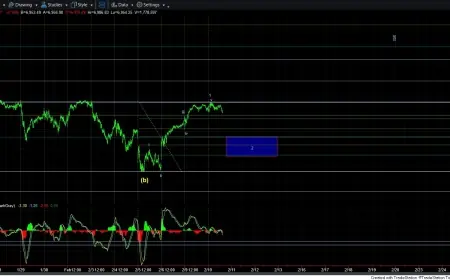















Oil Prices Rise, Spelling Trouble for Bitcoin Investors


The surge in oil prices is increasingly concerning for Bitcoin investors as economic factors continue to shift. In recent weeks, the price of West Texas Intermediate (WTI) crude oil has risen significantly, exacerbating existing challenges for cryptocurrency supporters. The current WTI price is $64.30 per barrel, marking a 12% increase and the highest level since September. Similarly, Brent crude oil has climbed to $68.22 per barrel.
Impact of Rising Oil Prices on Bitcoin and Inflation
Rising oil prices have far-reaching implications for inflation and, consequently, for Bitcoin. Higher oil costs affect transportation and consumer goods prices, influencing the general cost of living. This price spell creates a domino effect, where increased transport expenses lead to higher food, electronics, and clothing prices. Consumers then demand higher wages to keep pace with inflation, which can further drive up prices in a self-reinforcing cycle.
The Role of the Federal Reserve
The Federal Reserve acknowledges that oil price increases significantly contribute to overall inflation. As a response to relentless inflation, central banks often increase interest rates, which raises borrowing costs and can stifle economic growth. This pattern was evident in 2022 when Bitcoin saw a dramatic 64% decline, largely due to the Fed’s tightening measures.
Current Economic Climate
Recently, the Federal Reserve maintained interest rates within the range of 4.5% to 4.75%, while noting that inflation remains “somewhat elevated.” These remarks were tied to broader concerns surrounding international trade policies and tariffs. The Fed appears cautious, suggesting that the cycle of easing monetary policy might soon conclude. As a result, the upward trajectory of oil prices could reinforce the Fed’s stance against immediate rate cuts.
Factors Behind the Oil Price Surge
- Geopolitical tensions involving Iran, a significant oil supplier.
- Decreasing U.S. oil inventories, signaling increased demand.
- Recent statements from political leaders that heighten concerns about military action in oil-producing regions.
Former President Donald Trump recently indicated military readiness toward Iran, which has raised market anxiety. In a related context, U.S. Energy Information Administration data reported a decline of 2.3 million barrels in oil inventories during the week ending January 24. This trend points to a tightening supply amidst growing demand.
As oil prices rise, the outlook for Bitcoin becomes increasingly precarious. Investors must navigate not only the volatility of crypto markets but also the broader economic implications of rising energy costs.