























Federal Agents on Leave After Deadly Minneapolis Shooting, DHS Reports

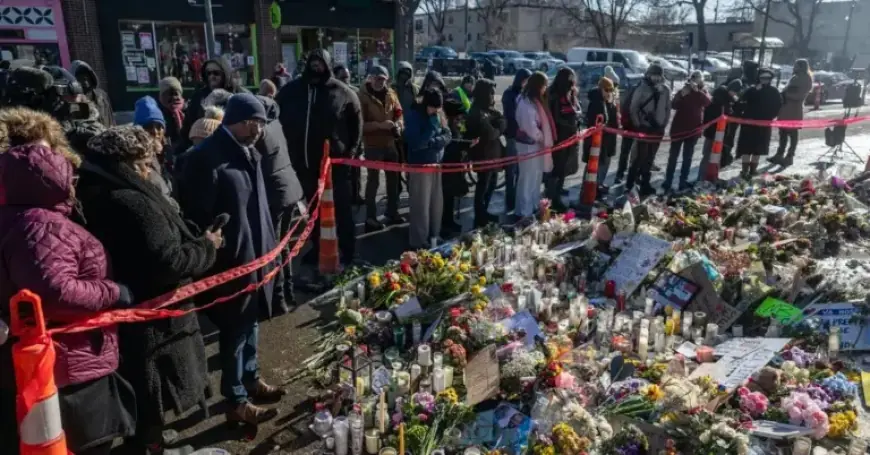
The recently reported shooting incidents involving federal agents in Minneapolis have sparked considerable controversy. Two individuals, Renee Good and Alex Pretti, lost their lives while being confronted by agents from the Department of Homeland Security (DHS). Following these events, some officials associated them with domestic terrorism, a term that has raised eyebrows among experts and the public alike.
Fatal Shootings in Minneapolis
On January 7, federal agents fatally shot Renee Good. She was in her SUV at the time. The shooting was characterized by DHS officials as a justified action, citing that agent Jonathan Ross feared for his life. Similarly, Alex Pretti was shot the following Saturday under similar circumstances.
Use of the Term “Domestic Terrorism”
Administration officials have labeled Good and Pretti as “domestic terrorists,” a contentious classification. Historically, the term “domestic terrorism” lacks a formal charge in the United States legal system. It is generally invoked in the context of standard criminal charges, such as murder or assault. Legal experts note that labeling individuals as domestic terrorists prematurely can undermine public trust.
Legal Definition and Historical Context
Domestic terrorism, as defined under U.S. law, involves acts that are dangerous to human life and violate criminal laws. These acts are intended to intimidate or coerce a civilian population and must primarily take place within U.S. jurisdiction. The classification affects the investigative process and can lead to enhanced penalties during sentencing.
Reactions from Officials
- Kristi Noem, Secretary of Homeland Security, classified the actions of Good and Pretti as domestic terrorism.
- Vice President JD Vance echoed these sentiments, calling their actions “classic terrorism.”
- Concerns have been raised by Minnesota Senator Tina Smith, who criticized the rush to label them before comprehensive investigations.
Political Implications
The Trump administration has been scrutinized for its use of the domestic terrorism label, especially concerning political opponents. Critics argue this practice sets a dangerous precedent, potentially politicizing a term that holds significant weight in law enforcement and public perception.
The fallout from these incidents raises questions about how federal agents should engage with protests and the standards of accountability in such confrontations. President Trump’s administration maintains that the deaths of Good and Pretti must be viewed within the context of broader national security concerns.
Conclusion
The tragic events in Minneapolis reflect ongoing tensions surrounding federal law enforcement’s approach to civil unrest and the charged language surrounding domestic terrorism. As investigations progress, the implications of labeling individuals as domestic terrorists will continue to be a focal point for both legal experts and the general public.