















Trump Urges Iran on Nuclear Deal, Threatens Harsher Consequences for Next Attack

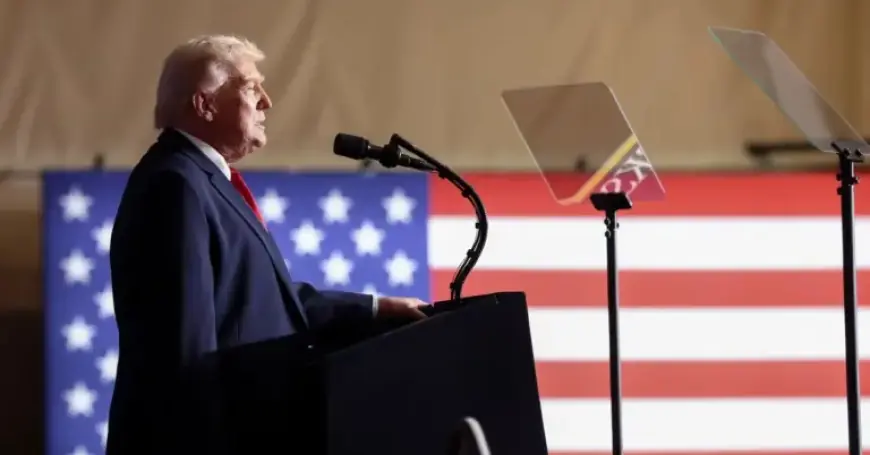
U.S. President Donald Trump has recently called on Iran to engage in negotiations regarding its nuclear program, highlighting the urgency for both sides to reach a mutually beneficial deal. On January 28, 2026, Trump stated that failure to negotiate could lead to severe consequences for Iran.
Trump’s Strong Warning to Iran
During a speech delivered in Clive, Iowa, Trump urged Iran to “come to the table” to discuss nuclear weapons. He emphasized that the time for discussion is limited, stressing the need for a deal that would ensure “NO NUCLEAR WEAPONS.” According to Trump, any continuation of aggression from Iran would result in a more forceful U.S. response.
Escalating Tensions
The remarks came amid a significant buildup of U.S. military forces in the Middle East. Trump indicated that a naval force led by the aircraft carrier USS Abraham Lincoln is moving towards Iran, with supporting warships also now in the region. This deployment follows increased hostilities between the two nations after a brutal crackdown on protests in Iran.
- Date of Trump’s Speech: January 28, 2026
- Location of Speech: Clive, Iowa
- Key U.S. Asset: USS Abraham Lincoln and supporting warships
Iran has responded to Trump’s threats with counter-statements from its officials. Ali Shamkhani, an advisor to Iran’s Supreme Leader, asserted that any military action by the U.S. would result in retaliation aimed at the U.S. and Israel. Meanwhile, Iranian Foreign Minister Abbas Araqchi emphasized Iran’s readiness to respond powerfully to any act of aggression.
The Call for a Nuclear Deal
Araqchi further remarked that Tehran remains open to negotiating a nuclear deal that respects its rights to nuclear technology while ensuring no nuclear weapons are developed. He indicated that negotiations with U.S. officials had not taken place recently, creating further uncertainty around the potential for future discussions.
Iran’s Internal Struggles
Amid these geopolitical tensions, domestic unrest within Iran remains significant. Protests over economic hardships have been met with government crackdowns, leading to speculation about the state’s stability. U.S. Secretary of State Marco Rubio commented on the Iranian government’s weakened position, suggesting that the economy is faltering and unrest may resurface.
Conclusion
The situation between the U.S. and Iran continues to develop, with both nations preparing for possible military and diplomatic outcomes. As Trump urges for a deal to prevent further escalation, the repercussions of continued discord may have profound implications for regional security.