



















Texas Seeks to Limit H-1B Visa Issuance

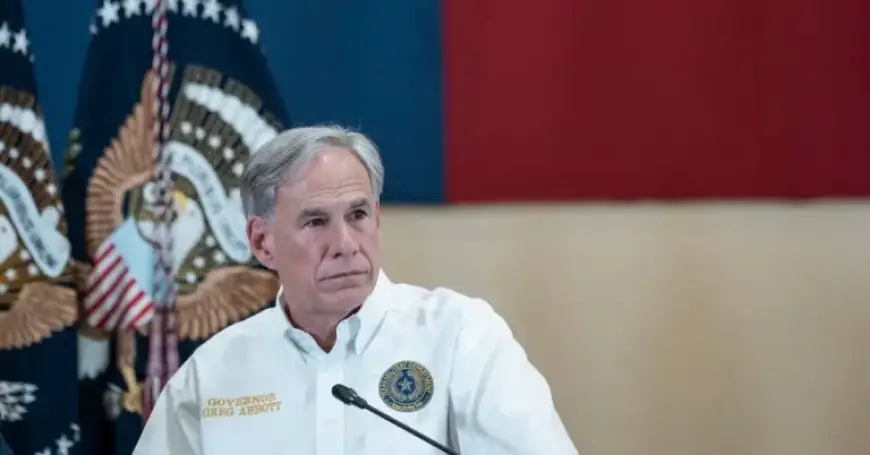
Texas Governor Greg Abbott has made a decisive move recently to restrict the issuance of H-1B visas within the state. This decision aims to curb the hiring of skilled foreign workers by state agencies and public universities. This initiative aligns with the actions of other conservative states and reflects a broader effort to limit immigration under the Trump administration’s policies.
Governor Abbott’s Directive on H-1B Visas
In a letter to public agencies, Abbott ordered an investigation into those that sponsor H-1B visa applicants. H-1B visas are specifically awarded to nonimmigrant workers across various specialized fields. This significant action follows suit after similar initiatives in Florida, spearheaded by Governor Ron DeSantis, who is advocating for a temporary halt on such hiring until at least 2027.
Impact on Texas Workforce
Texas ranks among the top states in H-1B visa approvals, alongside California, New York, and New Jersey. In the fiscal year 2025, over 12,000 H-1B visas were issued in Texas. The initiative is seen by some, including the state’s Republican Party, as a proactive step in protecting Texas jobs. However, this directive has also faced criticism from educational leaders.
- Over 12,000 H-1B visas approved in Texas in 2025.
- Texas is a leading state for H-1B visa issuance.
- H-1B holders occupy numerous vital teaching and research positions.
Criticism from Higher Education
Opponents of Abbott’s new policy argue that it may lower educational standards and diminish research quality at Texas universities. Todd Wolfson, president of the American Association of University Professors, expressed concerns that this represents partisan interference and could adversely affect students’ educational experiences.
Lynn Pasquerella, president of the American Association of Colleges and Universities, echoed these sentiments. She noted that political movements like Abbott’s could deter global talent from engaging with American institutions, ultimately slowing innovation and research.
Looking Forward: Investigations and Requirements
Governor Abbott’s directive mandates state agencies and universities to compile detailed reports on previously issued H-1B visas. This includes information on the visa recipients’ countries of origin, their job roles, and efforts made to recruit qualified U.S. workers prior to seeking foreign hires. Abbott’s rationale emphasizes that there are instances where the H-1B program has been misused, and he seeks to ensure compliance with established hiring protocols.
Republican Support and Concerns
This policy change has received strong backing from several Republican lawmakers. For instance, Brian Harrison, a member of the Texas House, welcomed the directive, citing historical abuses of the program within the state government. He argues that this review is necessary to address longstanding issues related to H-1B visa utilization.
As states like Texas and Florida take a closer look at H-1B visa practices, the discourse surrounding skilled foreign worker visas is becoming increasingly heated. The long-term implications for Texas’s academic and professional sectors remain to be seen, but the potential for changes in hiring practices is now at the forefront of the state’s political landscape.