























Vance Expands ‘Mexico City Rule’ to Include DEI and Gender Policies

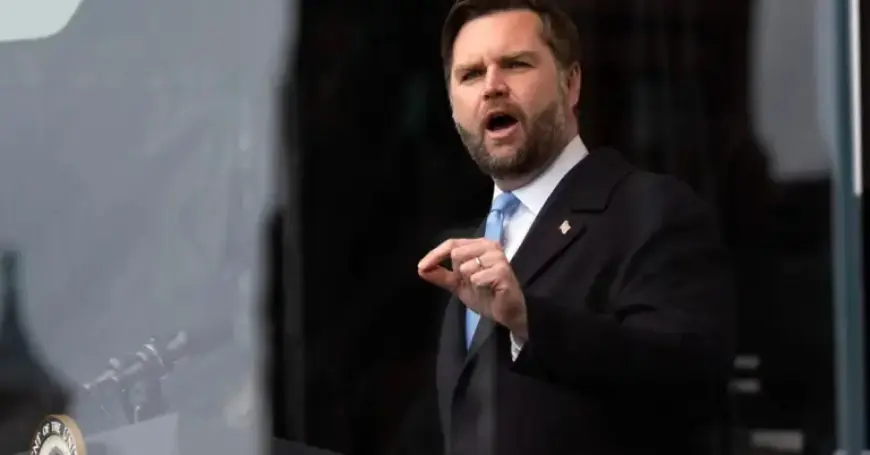
Vice President JD Vance recently announced significant changes to the “Mexico City Rule,” expanding it to include provisions against diversity, equity, and inclusion (DEI) policies, as well as what he referred to as “radical gender ideologies.” This announcement took place during the annual March for Life event in Washington, D.C.
Overview of the Mexico City Rule Expansion
This new policy initiative marks a continuation of the Trump administration’s efforts to combat what officials describe as “woke ideology.” It could potentially impact more than $30 billion in foreign aid, covering all forms of U.S. nonmilitary assistance to other countries.
Details of the Policy Change
- Previously, the Mexico City Rule, first introduced by President Ronald Reagan in 1984, restricted U.S. federal funding to foreign entities that provide or promote abortion services.
- Under the expanded rule, recipients of U.S. foreign aid will also be banned from implementing DEI initiatives.
- Trump administration officials claim the aim is to protect life and counteract ideologies they believe are harmful to children.
Mr. Vance emphasized the new policy as a crucial measure to combat what he labeled as the Biden administration’s approach, which he accused of propagating abortion and radical gender ideologies globally.
Reactions to the Announcement
The announcement faced immediate backlash from various liberal advocacy groups. The coalition known as Defend Public Health stated that the changes would endanger rights for transgender, nonbinary, and intersex individuals, while also threatening access to vital healthcare services.
In contrast, the White House has defended the move. Officials have lauded President Trump as “the most pro-life president in history,” highlighting the administration’s commitment to curbing what they see as detrimental ideologies within foreign aid practices.
Historical Context
The original Mexico City Policy, commonly referred to as the “global gag rule,” prevents U.S. funds from supporting organizations involved in abortion lobbying or services. Critics note the policy’s funding implications extend beyond direct financial support, as it influences the operations of foreign organizations.
Impact on U.S. Foreign Aid
- The expansion of the Mexico City Rule represents a significant shift in U.S. foreign policy regarding humanitarian aid.
- This change accompanies broader efforts by the Trump administration to reshape various aspects of government and public policy.
- Specific regulations enforcing this policy were published in the Federal Register, outlining the alignment of foreign aid with U.S. administration policy.
The March for Life, which has been held annually since 1973, continues to be a centerpiece for anti-abortion advocacy following the Supreme Court’s 2022 decision to overturn Roe v. Wade. Vance’s remarks were met with enthusiasm from attendees at this year’s event, reflecting ongoing commitment among supporters to the anti-abortion movement.
Conclusion
As the Trump administration forges ahead with expanding the Mexico City Rule, the implications for international policies on abortion and gender rights remain contentious. The clash between conservative and liberal perspectives on these issues continues to shape debates surrounding U.S. foreign aid.