
























“U.S. Braces for Worst Winter Storm in 40 Years”

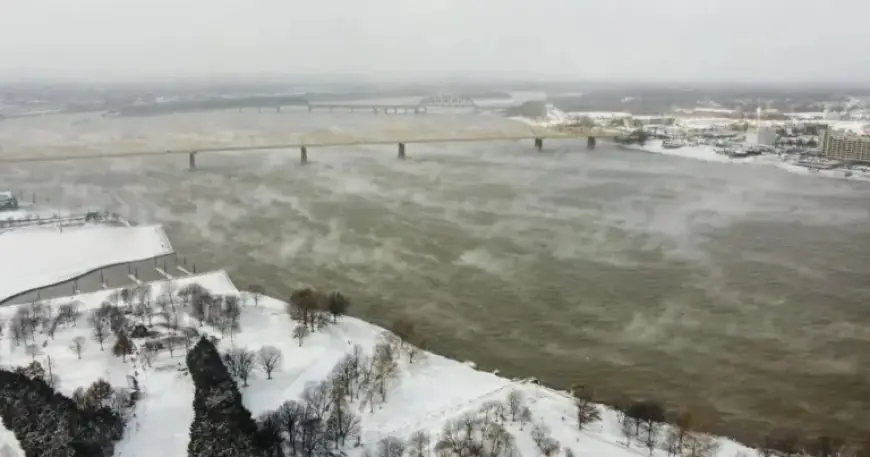
The United States is bracing for one of the most severe winter storms in 40 years. Meteorological services indicate that this expansive weather event will affect tens of millions, stretching from the Midwest to the East Coast. Anticipated conditions include heavy snowfall, disastrous ice accumulation, and dangerously low temperatures. Meteorologists emphasize the importance of preparedness as they predict significant impacts across the country.
Storm Forecast and Impact
The National Weather Service (NWS) has issued a warning regarding the storm’s severity, labeled as “important and long-lasting.” Accumulations are likely to surpass 30 centimeters in various regions, including:
- Ohio Valley
- Mid-Atlantic region
- Northeast United States
Ryan Maue, a meteorologist, stated that the upcoming ten days are projected to be the worst winter conditions seen in four decades. He urged individuals to consider their safety plans, especially for those who may need assistance.
Power Outages and Preparedness
With temperatures expected to drop below 0 degrees Fahrenheit (approximately -18 degrees Celsius), long power outages could occur. The governor of Texas, Greg Abbott, reassured residents about the state’s electrical grid, claiming it is more robust than ever. Despite this assurance, he declared a state of emergency in over half of Texas counties and called for rapid preparedness.
Travel Disruptions
Travel will be significantly affected, with nearly 1,500 flights already canceled nationwide for Saturday. Most cancellations involve flights to or from Dallas, Texas, as reported by FlightAware. The widespread disruption serves as a reminder of the storm’s potential impact.
Health Warnings and Public Safety
In New York, Governor Kathy Hochul advised residents to take the cold seriously, highlighting that just five to six minutes outdoors could pose health risks. Local authorities are urging individuals to remain vigilant and prepared.
Climate Change Discussions
The extreme weather has also reignited discussions on climate change. Former President Donald Trump expressed skepticism about climate science in light of the impending storm, questioning its relationship with global warming. While the connection between climate change and winter storms is complex, climate scientists note an uptick in the frequency of these events over the past two decades. They speculate that rapid Arctic warming could be contributing to this trend.
Experts, however, caution against definitive conclusions linking such weather patterns directly to human-induced climate change, citing insufficient data for long-term assessments.
As the storm approaches, preparedness and public safety remain paramount for all affected regions. Residents are urged to heed local advisories and prioritize their safety during this historic winter event.