
























Philadelphia Challenges Trump Administration Over Removal of Slavery Exhibit from Park

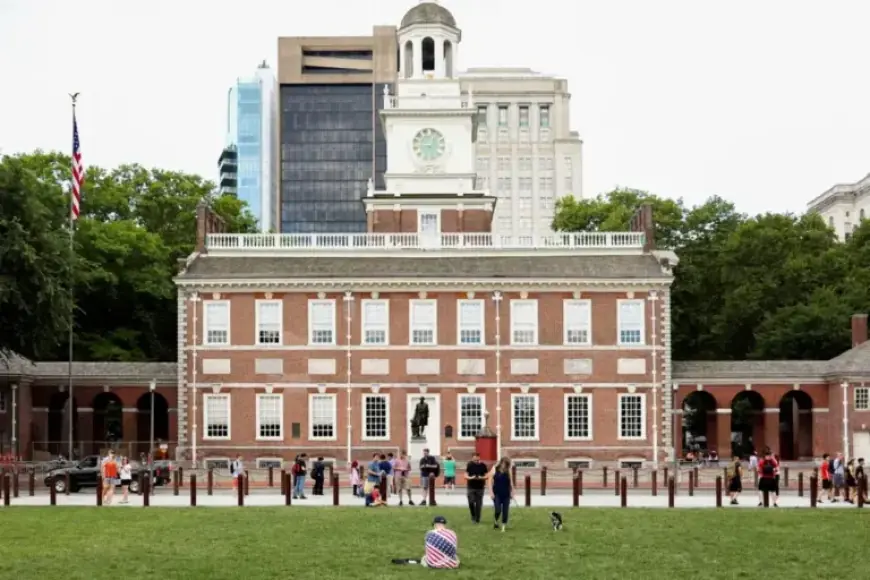
The ongoing conflict between the City of Philadelphia and the Trump administration has escalated over the removal of a slavery exhibit. This exhibit, located at the President’s House Site within Independence National Historical Park, was dismantled following an executive order aimed at revising historical narratives at federal sites.
Background on the Removal of the Exhibit
Critics accuse President Trump of attempting to “whitewash history.” The executive order, issued in March, mandates federal agencies to review interpretive materials for alignment with “shared national values.” According to the National Park Service, this directive led to the removal of panels that included information on enslaved individuals, specifically those owned by George and Martha Washington.
Details of the Exhibit Removal
Before its removal, the exhibit detailed the lives of nine people enslaved by the Washingtons. Although the panels are gone, their names remain engraved on a cement wall at the site. This historic location is significant as Philadelphia was the nation’s capital during Washington’s presidency.
- Key individuals mentioned in the exhibit:
- Oney Judge – notably escaped slavery
- The location:
- President’s House Site, Independence National Historical Park, Philadelphia
Legal Action by Philadelphia
In response to the removal, the City of Philadelphia filed a lawsuit against Interior Secretary Doug Burgum and acting National Park Service Director Jessica Bowron. The suit emphasizes that slavery is an integral part of the site’s narrative and argues for shared governance between the city and federal authorities concerning interpretive material.
Community Reaction
Reactions from community leaders are overwhelmingly negative. Critics claim the removal reflects a broader effort to erase uncomfortable aspects of American history.
- Key statements from critics:
- Rep. Dwight Evans: Criticized the removals as a “shameful desecration.”
- Ed Stierli: Asserted that removing the exhibit dishonors the memory of enslaved individuals.
Stierli expressed that the decision undermines years of collaborative efforts with local communities. Timothy Welbeck, a prominent scholar, echoed these sentiments, suggesting that such actions indicate a reluctance to confront America’s historical realities.
Looking Ahead
The future of historical interpretation at Independence National Historical Park remains uncertain. The National Park Service has not announced any plans to replace the removed exhibits. Ongoing discussions will likely shape how American history, particularly its troubling aspects, will be presented to the public.