





















Available Therapy May Shield Football Players from CTE: A Groundbreaking Discovery

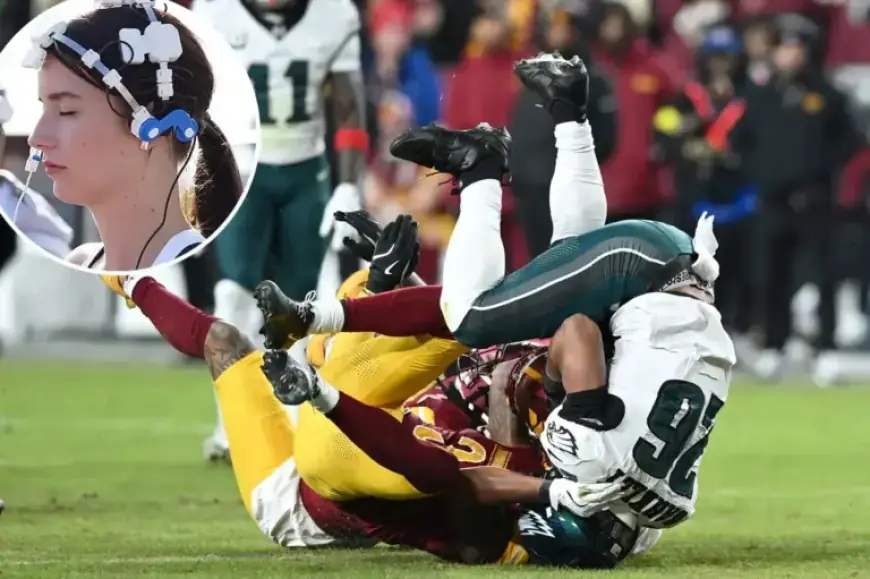
A groundbreaking study suggests that red light therapy, a treatment widely recognized for its skin health benefits, could potentially protect football players from chronic traumatic encephalopathy (CTE). CTE is a degenerative brain disease primarily observed in athletes who frequently endure head injuries, such as football players and boxers.
Understanding CTE and Its Impact
Chronic traumatic encephalopathy is linked to repeated head trauma, often resulting in severe symptoms. These may include:
- Confusion
- Memory loss
- Emotional instability
- Aggression
- Difficulties with movement and speech
Currently, there is no cure for CTE, and its progression cannot be slowed. Standard preventive measures involve wearing helmets and minimizing head impacts during play.
Red Light Therapy as a Potential Protective Measure
Dr. Shae Datta from the NYU Langone Concussion Center highlighted the revolutionary potential of red light therapy for preventing CTE. This therapy, also known as photobiomodulation, works by reducing inflammation in the body and enhancing cellular energy production. Researchers at the University of Utah Health explored its effects on brain inflammation caused by repetitive head injuries.
The Research Study
The study involved 26 collegiate football players who were divided into two groups. One group received therapy using the Vielight Neuro Gamma helmet, emitting near-infrared light, while the other group underwent a placebo treatment with a non-emitting device. Each player participated in therapy sessions three times a week for 20 minutes over a 16-week period.
At the conclusion of the study, MRI scans revealed that brain inflammation in the placebo group had significantly increased. Conversely, players using the light-emitting helmet exhibited no rise in inflammation, showing protection across nearly all brain regions.
Expert Reactions and Implications
Dr. Hannah Lindsey, a key researcher, expressed surprise at the compelling results. Dr. Kristen Dams-O’Connor emphasized the therapy’s non-invasive nature and the absence of side effects, reflecting its promise in enhancing athlete safety.
Despite these encouraging findings, experts caution against rushing to purchase at-home red light devices, as effective models must emit specific wavelengths capable of penetrating skin and tissue.
Future Research Directions
The research team is advancing to the next phase, backed by funding from the Department of Defense to study the effects of red light therapy on individuals experiencing persistent concussion symptoms. Recruitment is set to begin in early 2026.
Ultimately, the goal is to enhance safety in contact sports, providing players with effective strategies to protect their brains long-term.
As the research progresses, there’s a growing optimism about red light therapy becoming a standard preventive tool in professional and collegiate sports.