

























Discover What Truly Causes Illness During Cold Weather

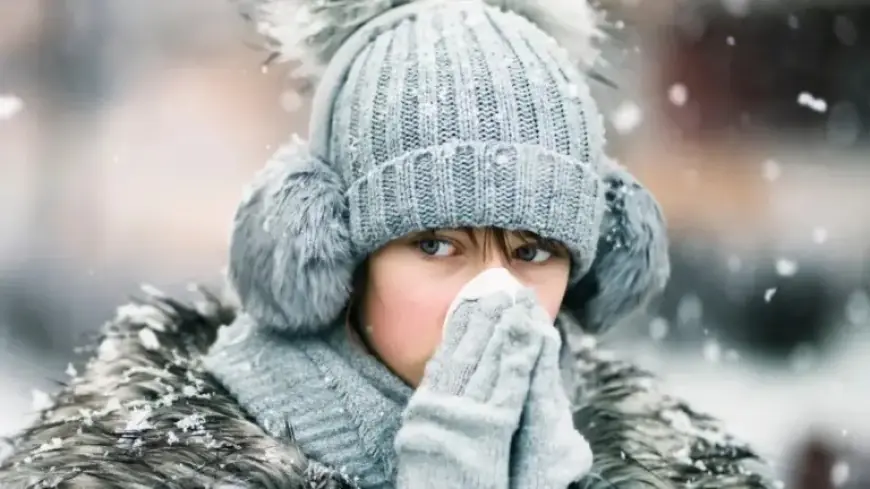
Many people believe that cold weather makes them ill. This common notion connects situations like going outside without a coat or experiencing chilly weather to sickness. However, recent scientific findings reveal a more complex relationship between cold temperatures and respiratory illnesses.
Understanding the Link Between Cold Weather and Illness
Research indicates that cold weather does not directly cause infections. Instead, it exacerbates various biological and environmental factors that increase vulnerability to diseases during the winter months. The primary culprits behind colds and flu are viruses, not low temperatures.
Virus Transmission in Cold Seasons
Viruses like rhinoviruses and influenza spread among individuals through respiratory droplets rather than temperature. Despite this, rates of respiratory infections often spike in colder seasons globally. This seasonal trend can be attributed to several factors:
- Virus Viability: Cold, dry conditions allow many respiratory viruses to survive longer, remaining infectious.
- Airborne Particles: Dry air causes respiratory droplets to evaporate quickly, creating smaller particles that linger in the air longer.
- Indoor Crowding: Colder months push people indoors, increasing close contact and enhancing the likelihood of virus transmission.
Impact of Cold Weather on Immune Function
Exposure to cold air affects the body’s immune defenses. Breathing in cold air can lead to vasoconstriction, narrowing blood vessels and reducing blood flow to the nose and airways. This diminished blood flow can weaken immune responses, making it harder to fend off viruses.
Additionally, cold weather can aggravate existing respiratory issues, such as asthma or allergic rhinitis, increasing the risk of serious complications from infections.
Behavioral and Environmental Factors
Human behavior during colder months contributes significantly to illness patterns. Reduced daylight during winter limits vitamin D production, which is crucial for a robust immune response. Furthermore, indoor heating often decreases humidity levels, drying out the respiratory linings and impairing the body’s natural defenses against viruses.
Preventive Measures
Recognizing these connections can aid in developing effective strategies for illness prevention in winter:
- Improve Indoor Ventilation: Enhance air circulation to diminish virus concentration in enclosed spaces.
- Maintain Humidity Levels: Use humidifiers to keep airways moist and support mucosal defenses.
- Support Immune Health: Ensure adequate vitamin D levels through sunlight exposure or supplementation.
Public health campaigns should focus on how viruses are transmitted through contact and respiratory droplets rather than perpetuating the myth that cold exposure alone causes illness. Understanding this nuanced relationship provides clearer insights into why respiratory illnesses surge in winter and informs effective health strategies.
In summary, while cold weather alone does not directly lead to illness, it creates an environment that facilitates the spread of respiratory viruses. Acknowledging this complexity can enhance preventative measures and reduce the incidence of infections during colder months.