




















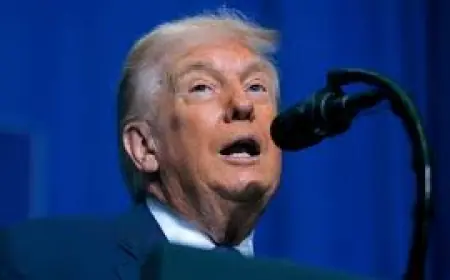




World Urged to Stand Against Donald Trump: An Opinion


Recent global events have drawn significant attention to the actions and policies of U.S. President Donald Trump. His controversial approach has provoked widespread calls for a unified stance against his administration’s influence. This growing sentiment urges nations, particularly allies, to reconsider their dependencies and forge new paths forward.
Trump’s Impact on International Relations
President Trump’s decisions have caused severe strain on international alliances, notably NATO. His recent negotiations regarding Greenland, which lacked clarity and legitimacy, highlight a growing trend of U.S. unilateralism. This shift has led many to question the credibility of traditional frameworks for global cooperation.
The Shift from Multilateralism to Isolationism
The remarks made by Prime Minister Mark Carney at the World Economic Forum in Davos resonate deeply in this context. He articulated the urgent need for nations to reassess their alliances as the U.S. has moved away from being a dependable partner. The so-called rules-based international order (RBIO) is under threat from great powers using economic tools for manipulation.
- Trade Agreements: The EU recently signed significant deals with Mercosur and is negotiating with the Trans-Pacific Partnership, signaling a shift to new alliances.
- Middle Powers’ Response: Carney’s suggestion for increased trade among like-minded countries aims to create resilience against dominant powers.
Challenges Ahead for Democratic Alliances
The political landscape is changing. The traditional view of the U.S. as a stabilizing force is increasingly challenged. European leaders have begun to unite against Trump’s aggressive trade tactics and diplomatic threats, especially after the Greenland debacle.
The Importance of Collective Legitimacy
Legitimacy remains a cornerstone for alliances. Trump’s approach has damaged the U.S.’s reputation as a global leader. The impact of this shift could lead to an unstable international environment, questioning the very effectiveness of NATO and other coalitions.
- Defense Strategies: Emerging discussions suggest forming new alliances, potentially excluding the U.S., to bolster democratic cooperation.
- Economic Independence: Canada must explore new economic partnerships and resist overly dependent strategies that could undermine national interests.
What Lies Ahead
The future for democratic nations is uncertain. With geopolitical tensions rising, especially involving key powers like Russia and China, democratic states must be proactive. Unity and a clear understanding of mutual interests are essential for restoring stability.
Recommendations for Action
To navigate the complexities ahead, democratic countries should focus on:
- Fostering alliances based on shared values rather than reliant partnerships.
- Implementing comprehensive defense strategies that include economic sanctions against aggressors.
- Encouraging national unity and a culture of resilience to counter external pressures.
In conclusion, as the global landscape shifts, it is imperative for nations to reevaluate their strategies concerning U.S. policies. By standing united against Trump’s unpredictable governance, the world can work toward a more balanced and equitable order.