


















Ice Poses Greater Risks Than Snow: Essential Insights from NPR

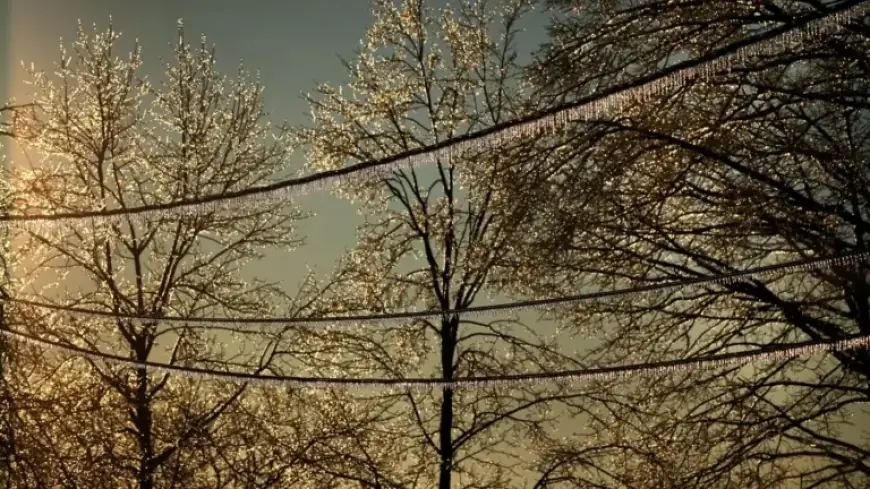
As winter storms approach, a significant concern lies in the freezing rain and ice expected across parts of the United States. Meteorologists predict that more than 200 million people will experience hazardous conditions, affecting nearly every individual east of the Rockies.
Impacts of the Upcoming Winter Storm
The National Weather Service (NWS) forecasts “crippling ice and sleet” in the Southern Plains and Lower Mississippi Valley. Corey Chaskelson, a senior forecaster based in Memphis, highlights that the storm’s impact could lead to long-lasting power outages, extensive tree damage, and very dangerous travel conditions.
Freezing Rain Causes Serious Hazards
Freezing rain occurs when snowflakes melt as they fall, leading to a glaze of ice on roads, trees, and power lines. Accumulations of ice pose significant risks, including:
- Long-term power outages due to sagging power lines.
- Increased weight on tree limbs, making them prone to breakage.
- Trebled risks of vehicle accidents due to slippery surfaces.
According to the Air Force Safety Center, just a half-inch of ice can add up to 500 pounds of additional weight to power lines. This excess weight can lead to significant power outages and tree damage, as confirmed by West Virginia’s meteorologist Simone Lewis.
Challenges of Ice Versus Snow
Unlike snow, which can be removed relatively easily, ice poses a more considerable removal challenge. Black ice, a nearly invisible layer of ice, is particularly dangerous for drivers and pedestrians. Louisiana Governor Jeff Landry expressed a preference for snowstorms over ice storms, advising the public to stay off the roads during severe weather.
Safety Preparedness and Recommendations
To cope with the anticipated winter storm, it’s crucial to prepare effectively. Here are essential recommendations:
- Create a “Go-Kit” with a three-day supply of essentials.
- Prepare a “Stay-at-Home Kit” with supplies for at least two weeks.
- If travel is necessary, equip your car with an emergency supply kit.
- Ensure your gas tank is full to prevent fuel line freezing.
- Check tire pressure as it may drop in colder temperatures.
Experts emphasize the importance of following updates from the National Weather Service. Lewis stresses the urgency of starting preparations if not yet done, given the hazardous travel conditions and potential power outages.
As we brace for this winter storm, taking the necessary precautions can significantly enhance safety and minimize risks associated with ice and freezing rain.