












County Takes Charge of Renee Good’s Death Investigation

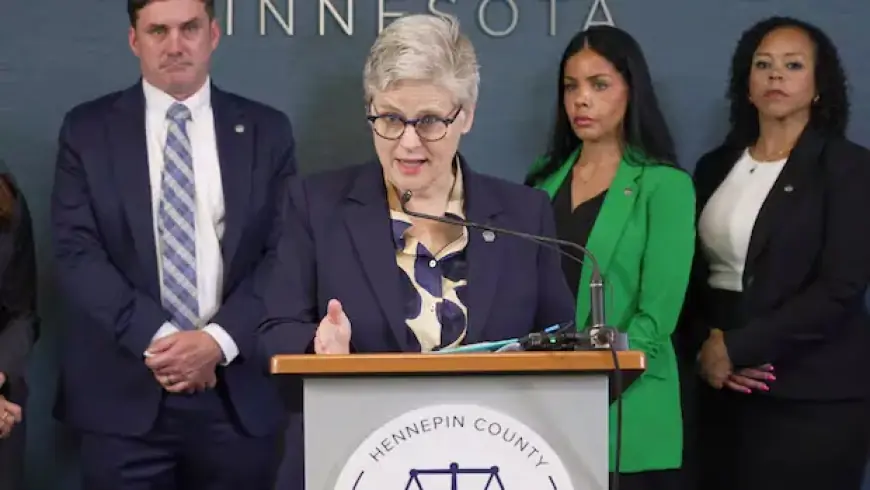
The investigation into the shooting of Renee Good, a Minneapolis woman, is now primarily under the jurisdiction of Hennepin County. This follows the U.S. Deputy Attorney General Todd Blanche’s announcement that no federal inquiry will take place. The decision leaves local authorities to navigate significant obstacles, particularly due to the lack of access to key evidence held by federal agencies.
Details of Renee Good’s Shooting Incident
Renee Nicole Macklin Good, a 37-year-old mother, was shot on January 7 while inside her SUV in a residential area south of downtown Minneapolis. The incident involved ICE agent Jonathan Ross. Good, a U.S. citizen originally from Colorado, had no prior legal issues other than minor traffic violations.
Impact of Federal Authorities
The lack of a federal investigation means that the Hennepin County Attorney’s Office (HCAO) has the sole responsibility to proceed with any potential charges. However, significant pieces of evidence, including Good’s vehicle, Ross’s firearm, and important shell casings, were seized by federal officials, complicating matters for the county attorneys.
- Date of Incident: January 7
- Victim: Renee Nicole Macklin Good
- Agent Involved: Jonathan Ross (ICE)
- County: Hennepin County, Minneapolis
Mary Moriarty, the Hennepin County Attorney, indicated that residents can contribute evidence, such as videos, to aid the investigation. She acknowledged that crucial evidence remains with federal authorities, which could potentially impede prosecution efforts.
Challenges for the Local Investigation
Key pieces of evidence that are currently unavailable to the HCAO include:
- Good’s vehicle
- ICE agent Jonathan Ross’s firearm
- Shell casings from the scene
- Ross’s cell phone, used as a body camera
Antonio Romanucci, the attorney representing Good’s family, stressed the importance of these items. “These pieces of evidence are critical,” he stated, underscoring the challenges local authorities face in securing justice without access to this data.
Community Response and Legal Proceedings
The local community has been encouraged to provide any evidence related to the case. Romanucci’s firm is also exploring the possibility of a civil action against federal authorities. The ongoing dialogue around the incident highlights concerns about the legal implications and potential consequences for all parties involved.
Mauleón, a law professor at the University of Minnesota, pointed out that without these essential pieces of evidence, the prosecution might reconsider the viability of a trial. He emphasized that missing evidence could weaken a case significantly.
While there were initial suggestions of a federal civil rights probe regarding the incident, Deputy Attorney General Blanche’s stance effectively closes that avenue. The decision has raised concern and disagreement from Good’s family and their attorney.
Future of the Investigation
The HCAO continues to receive assistance from Minnesota’s Bureau of Criminal Apprehension regarding the use of force by law enforcement. However, this assistance is hampered by limitations in accessing vital evidence. Thus, the HCAO is pressing to ensure the preservation and proper handling of all evidence related to the case.
As events unfold, the community and Good’s family await clarity and justice in what remains a pressing legal matter for Minneapolis.