










Alaska Student Arrested for Consuming AI Art Exhibit

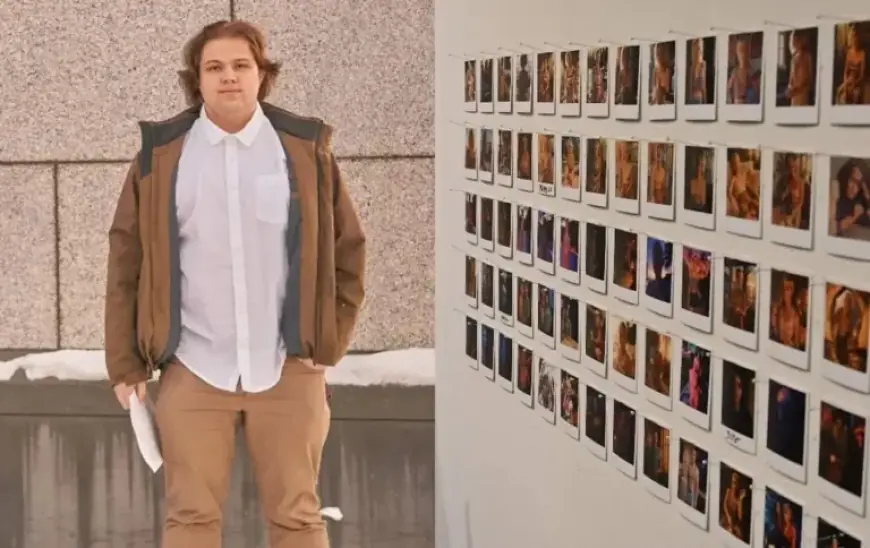
In an unusual incident at the University of Alaska Fairbanks, a student protested the use of artificial intelligence in art by consuming an AI-generated exhibit. Graham Granger, a film and performing arts major, was arrested on January 13 for criminal mischief after ripping down and eating part of the artwork.
Incident Details
Witnesses reported Granger’s actions, describing them as a frantic consumption reminiscent of competitive eating events. Approximately 57 out of the 160 images displayed in the gallery were destroyed during his protest.
About the Art Exhibit
The artwork, created by artist Nick Dwyer, addresses the struggle with “AI psychosis.” Dwyer expressed his personal conflict through a series of Polaroid photos that blended images of himself and an AI chatbot he had come to rely on during therapy. The exhibit explored complex themes in the realm of AI and artistry.
Reactions and Charges
- Initially, Dwyer considered pressing charges against Granger, likening the act to vandalism.
- After reconsideration, he chose not to pursue legal action, although the state continued with the case.
Dwyer reflected on the intersection of technology and art, acknowledging that AI could serve as a lens for artistic expression. He emphasized that the debate surrounding AI-generated art involves both potential benefits and serious concerns for traditional artists.
Granger’s Perspective
Following his release from the Fairbanks Correctional Facility, Granger shared insights about his motivations. He stated that his unplanned protest stemmed from feeling insulted by the lack of effort he perceived in AI-generated art as compared to traditional artwork. He described his actions as both a protest against the university’s AI policies and a form of performance art aimed at provoking discussion.
Granger, who does not utilize AI for his work, expressed strong opinions on the subject. He views AI art as lacking substance and believes that the process of creation is crucial to the value of true art. He articulated concerns over AI’s dependence on existing works, insisting that it strips away the individuality of artistic expression.
Reflection on the Incident
Despite facing legal repercussions, Granger did not express regret over his actions. He believes they were necessary to challenge the status quo regarding AI’s role in the art world. Reflecting on his overnight detention, Granger stated he had expected a more extended stay and was surprised by the outcome.
This incident has sparked widespread media interest, highlighting the ongoing debate over the implications of artificial intelligence in the creative sector. As society grapples with these technological advances, the discussion around AI art continues to evolve.