























Philadelphia Historical Site Removes Slavery Displays Following Trump Directive

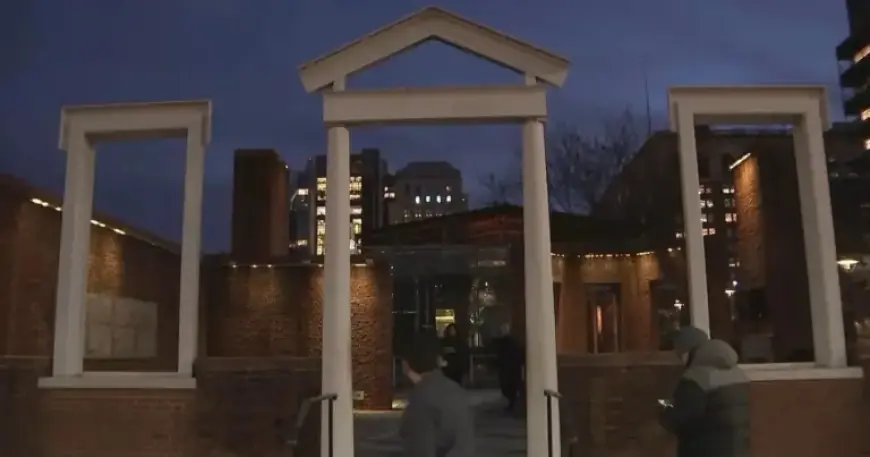
The President’s House in Old City Philadelphia, a significant historical site, recently underwent a controversial change. Signs detailing the history of slavery at the site were removed, sparking debates over historical representation.
Background of the President’s House
Located at 6th and Market streets, the President’s House was once home to Presidents George Washington and John Adams. Built in 2010, the site was designed to honor both the leaders and the enslaved individuals who lived there.
Removal of Slavery Displays
On Thursday, workers from the National Park Service dismantled informational signs concerning the site’s connection to slavery. This action follows an executive order signed by President Trump in September, which aimed to eliminate what he termed “ideological indoctrination” from federal historic sites.
- The President’s House is the only federal historic site that memorializes enslaved individuals.
- Paul Steinke from the Preservation Alliance for Greater Philadelphia criticized the sudden removal.
- Dozens of local organizations opposed the changes, addressing concerns about historical integrity.
Trump’s Executive Order
The executive order, titled “Restoring Truth and Sanity to American History,” directly referenced Philadelphia’s Independence National Historic Park. It mandates that memorials focus on American achievements rather than negative historical narratives.
Interior Secretary Doug Burgum has until July 4, 2026, to implement the changes, coinciding with the nation’s 250th anniversary celebrations.
Reactions to the Decision
The removal has drawn sharp criticism from various officials and community leaders.
- Democratic Representative Brendan Boyle condemned the action, stating the need for an honest account of American history.
- Philadelphia City Council President Kenyatta Johnson described the removal as an effort to “whitewash American history.”
Future of Historical Representation
Despite the changes, Paul Steinke expressed hope that the stories of the enslaved individuals will resurface in Philadelphia. The official park service website continues to emphasize the paradox of slavery and freedom in the nation, highlighting the experiences of enslaved people who lived and worked at the President’s House.
The debate surrounding these historical displays underscores the ongoing struggle over how American history is remembered and represented. It prompts a question: how will we ensure that all narratives are included in our understanding of the past?