





















Britons’ Views on Europe’s Response if USA Takes Greenland


The public opinion in Britain regarding Europe’s response to a potential U.S. takeover of Greenland is divided. Recent surveys reveal varying attitudes towards diplomatic, economic, and military responses.
Public Opinion on Europe’s Response to Greenland Seizure
When asked how Europe should respond if the United States were to seize Greenland, opinions were clearly split:
- 33% support a diplomatic approach.
- 30% advocate for economic retaliation.
- 14% favor military action to retake the island.
- Only 5% believe Britain should accept U.S. control over Greenland.
Political Divide in Responses
The perspectives on this issue significantly vary among political groups. Conservative and Reform Party supporters generally lean towards diplomacy, with 46% and 37% respectively. In contrast, Labour and Lib Dem supporters show stronger inclinations towards economic measures, with 40-44% favoring this option.
Among Green Party supporters, perspectives are mixed. Here, 32% back diplomatic efforts, 28% support economic retaliation, and 26% endorse a military response.
Context of Tensions Over Greenland
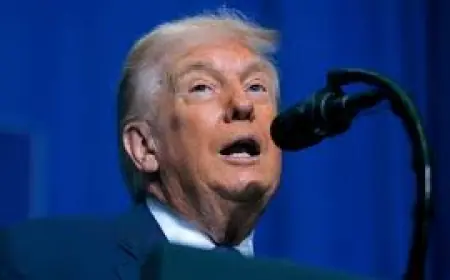
This public debate arises amid escalating tensions related to Greenland’s territorial sovereignty. U.S. President Donald Trump has threatened sanctions against European countries opposing his intentions regarding the territory. He has not dismissed the possibility of military action to enforce U.S. claims over Greenland.
European nations have reacted by deploying some military presence in Greenland to deter such actions. However, the majority of Britons seem to prefer non-military strategies to address these geopolitical tensions.
Conclusion
As the situation unfolds, public sentiment reflects a desire for measured responses to international disputes. The divide between diplomatic solutions and economic retaliation underscores the complexity of international relations, particularly concerning U.S.-European dynamics.