





















U.S. Officially Withdraws from World Health Organization

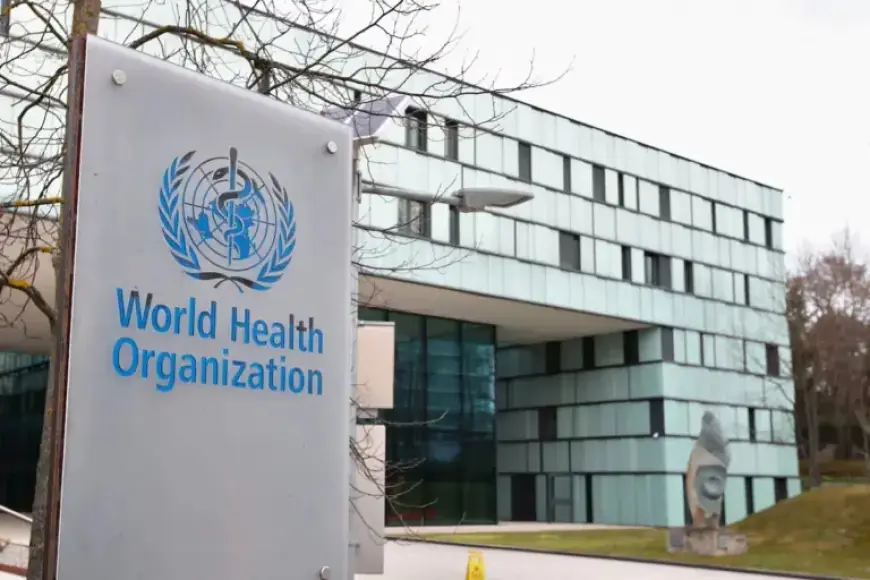
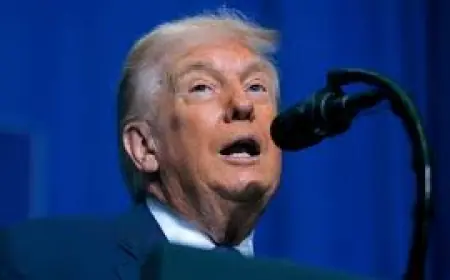
The United States is set to officially withdraw from the World Health Organization (WHO) on Thursday, a move that has raised concerns regarding the implications for both American and global health. The decision comes after President Donald Trump provided notice of the withdrawal on the first day of his presidency in 2025 through an executive order.
Legal and Financial Implications
As per U.S. law, the country is required to give a one-year notice prior to exiting the organization, in addition to paying approximately $260 million in outstanding fees. However, the State Department has indicated that the WHO’s perceived inefficiencies in handling health crises have cost the U.S. economically. A spokesperson stated that the American taxpayers have already made substantial financial contributions, and further funding would not be forthcoming.
Global Health Reactions
International health experts have expressed significant concerns over the withdrawal. WHO Director-General Tedros Adhanom Ghebreyesus recently urged reconsideration of the decision, describing the withdrawal as unfavorable for both the United States and the global community. Additionally, the organization has highlighted that the U.S. has failed to fulfill its financial obligations for 2024 and 2025.
- Lawrence Gostin, a health law expert, remarked that this withdrawal represents a violation of U.S. law.
- Bill Gates of the Gates Foundation also voiced skepticism regarding the U.S. rejoining the WHO soon.
Consequences for the WHO
The departure of the United States is expected to cause significant disruption to the WHO’s operations. Historically, the U.S. has contributed around 18% of the agency’s total funding. This financial gap has led to a budget crisis, prompting the WHO to cut its staff size by approximately 50% and scale back ongoing projects.
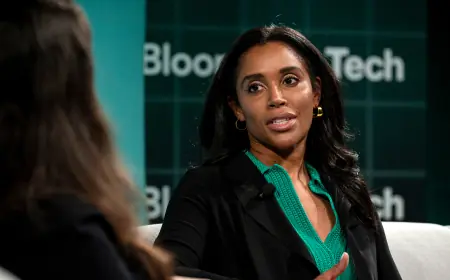
Experts warn that the withdrawal could undermine vital systems for addressing health threats globally. Kelly Henning from Bloomberg Philanthropies emphasized that reduced cooperation poses risks not only for the U.S. but for the international health landscape as a whole.
Future Discussions
The WHO’s executive board is scheduled to discuss the ramifications of the U.S. withdrawal in February. As the organization prepares for this meeting, the potential retreat from collaborative health initiatives could reshape public health strategies going forward.