






















Judge Commands Redrawing of Staten Island and Brooklyn Congressional Districts

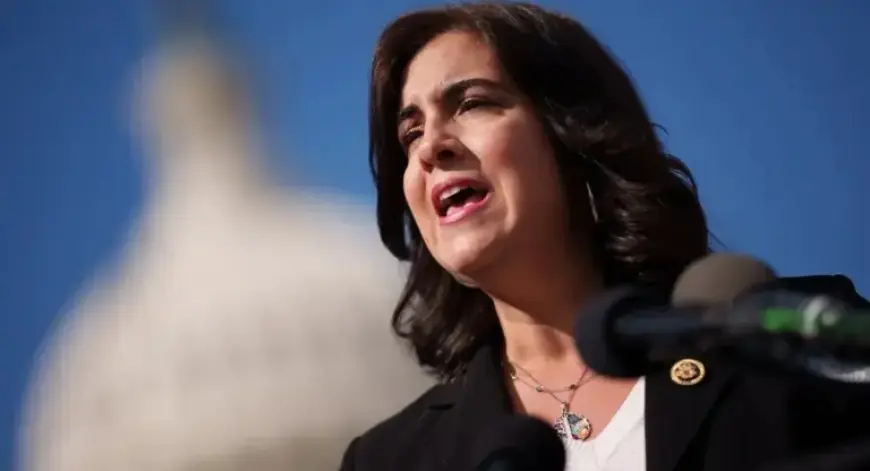
A recent decision by a Manhattan state judge has initiated a significant shift in New York City’s congressional districts. On Wednesday, State Supreme Court Justice Jeffrey Pearlman ruled that the boundaries of the 11th Congressional District, represented by Republican Nicole Malliotakis, violate constitutional standards. This ruling could lead to a redrawing of congressional maps in the state.
Implications of the Court’s Decision
Justice Pearlman determined that the current district lines unlawfully dilute the voting influence of Black and Latino residents in Staten Island. The ruling mandates that the New York Independent Redistricting Commission redraw these boundaries by February 6. Furthermore, no elections can proceed until the new lines are established, highlighting the urgency of the situation.
Background of the Case
The lawsuit was initiated by a coalition of voters from Staten Island and Lower Manhattan, who felt disenfranchised by the existing district arrangement. These plaintiffs are represented by the law firm of Marc Elias, known for its involvement in election law across the nation. The case also received support from organizations like the NAACP New York State Conference.
Reactions to the Ruling
Chris Alexander, executive director of the NAACP New York State Conference, hailed the decision as a victory for equitable representation. He emphasized that district lines should not obstruct political power for communities of color. Alexander urged the Independent Redistricting Commission to enact a map that accurately reflects the diverse population of Staten Island.
- Court Order: Redraw by February 6
- Current District: 11th Congressional District
- Key Representative: Nicole Malliotakis
Political Tensions
The ruling has ignited controversy among political factions. Representative Malliotakis and other Republican officials have criticized the lawsuit as a partisan effort to manipulate election outcomes. Malliotakis stated that the current map followed a legally mandated process and expressed confidence that the ruling would be overturned.
This decision occurs within a broader context where both major parties engage in redistricting efforts to bolster their advantages in upcoming elections. Critics of the ruling, including NYGOP Chairman Ed Cox, argue that it represents an attempt at partisan gerrymandering disguised as a voting rights issue.
Next Steps for Redistricting
Experts suggest that the ruling may lead to an immediate response from the appellate courts, which could influence the timeline and outcomes of the redistricting process. The current vacancies and political composition of the Independent Redistricting Commission could further complicate the situation. As it stands, this case could open the door for future alterations to New York’s congressional map, potentially impacting numerous electoral races.
Key Takeaways
- A state judge ruled New York’s 11th Congressional District boundaries unconstitutional.
- Redistricting must be completed by February 6.
- Voter disenfranchisement claims center on representation for Black and Latino communities.
- Political responses highlight tension between Democratic and Republican agendas.
This unfolding situation underscores the critical nature of fair representation within New York’s electoral process, and its implications could resonate well beyond local politics.