






















Trump’s ‘Board of Peace’: Key Members Revealed and Their Reasons

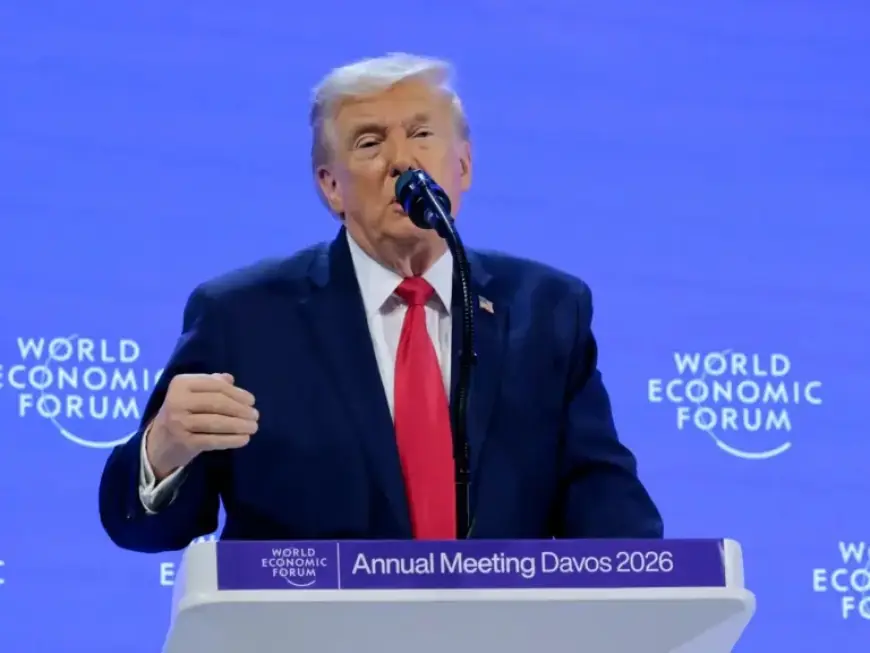
The United States is preparing to host a significant signing ceremony for President Donald Trump’s “Board of Peace” (BoP) in Davos, Switzerland. This event coincides with the World Economic Forum (WEF), where Trump intends to engage with global leaders. The BoP is touted as a pivotal component of his administration’s 20-point peace plan aimed at overseeing Gaza’s reconstruction following the recent conflict.
What is the Board of Peace?
The concept of the BoP was initially introduced last September during the UN General Assembly. The White House unveiled the formal creation of the board last week. Its official charter comprises eight chapters and thirteen articles but notably does not mention Gaza. Instead, the BoP aims to establish a new international organization focused on promoting stability and governance in conflict-affected regions.
Governance Structure
The BoP features a three-tier governance structure: the board itself, an executive board, and a chairman, who holds considerable authority. The top tier comprises a “founding executive council.” Key responsibilities include decisions on budgets and policies. The executive board includes prominent figures such as:
- Tony Blair, former UK Prime Minister
- Marco Rubio, US Secretary of State
- Jared Kushner, Trump’s son-in-law
Trump serves as the chairman, possessing veto power over critical decisions and membership statuses. The mission scope encompasses governance capacity, regional relations, and reconstruction efforts.
Membership and Participation
Invitations have been dispatched to numerous countries, with at least fifty confirming receipt. Some notable participants include:
- Israel (after approval from Prime Minister Benjamin Netanyahu, despite an ICC warrant against him)
- Pakistan
- Egypt
- United Arab Emirates
- Morocco
- Argentina
- Hungary
- Belarus
In contrast, countries such as France, Denmark, Norway, and Sweden have declined participation. The hesitance of several states stems from concerns about the BoP potentially undermining existing international frameworks like the UN.
Reluctance to Join
Countries like China, India, Japan, and others have been approached but remain indecisive. Many of these nations emphasize adhering to UN principles in their international relations. China’s alternative governance framework proposal adds complexity to its potential involvement.
Concerns Over the BoP’s Role
One prevailing fear is that the BoP could serve as a rival to the UN, traditionally a mainstay in global diplomacy. Critics highlight that while the UN has structural limitations, the BoP’s charter lacks the foundational principles inherent in UN documents. The potential for the BoP to diminish the UN’s authority is a significant concern voiced by international relations scholars.
Experts suggest that remaining outside the BoP may allow countries to maintain favorable ties with the US while supporting the UN’s supremacy in global governance. The BoP represents a bold new initiative, yet its long-term implications for international diplomacy remain unclear.