























Trump Strains U.S.-Europe Alliance with Greenland Dispute

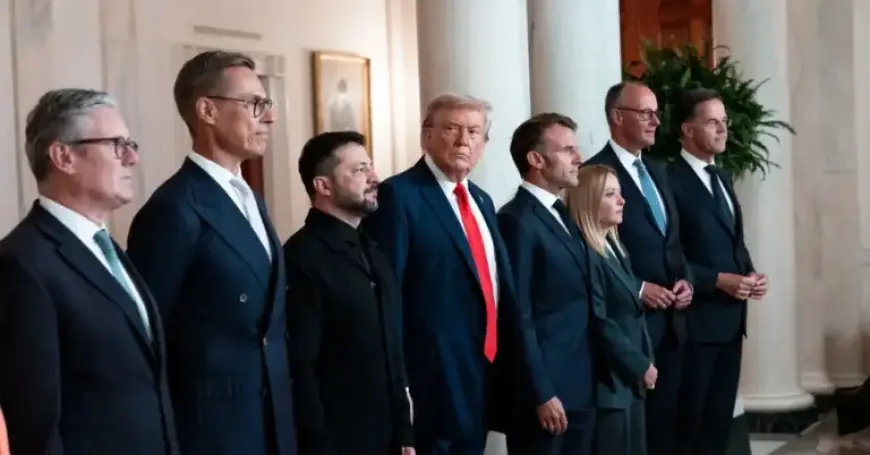
The diplomatic relationship between the United States and Europe faces unprecedented strains, particularly highlighted by President Trump’s controversial approach towards Greenland. As Trump intensifies his campaign to acquire the territory, European leaders are grappling with significant diplomatic repercussions. They must navigate this complex landscape without causing irreparable damage to their longstanding alliance.
Escalating Tensions Over Greenland
Trump’s push for Greenland has prompted urgent discussions among European nations. Some leaders, including France’s President Emmanuel Macron and Germany’s Finance Minister Lars Klingbeil, are advocating for a strong European economic response to Trump’s proposals. This includes the potential deployment of an economic “bazooka” in light of recent tariff threats.
Upcoming European Unity
European leaders are scheduled to convene in Brussels this week to formulate a collective strategy in response to Trump’s actions. Veteran political analysts emphasize that the alliance formed after World War II has dramatically changed. The current dynamics suggest an alliance increasingly defined by Trump’s demands rather than mutual collaboration.
- Trump’s approach is characterized as using economic warfare against allies.
- Experts, like Ian Lesser of the German Marshall Fund, note a need for Europe to enhance its economic and military autonomy.
- However, such a transition could take years or decades.
The Impact of U.S. Actions on Europe
Despite escalating tensions, Europe remains intertwined with American markets. Ukrainian defense against Russian aggression relies heavily on U.S. support. Observers caution against abandoning the NATO alliance, which remains crucial for European security.
Long-term Diplomatic Effects
The recent threats to acquire Greenland have severely impacted trust within the U.S.-Europe alliance. Trump’s National Security Strategy raised questions about the reliability of European allies, further complicating diplomatic relations.
Leaders like Macron have responded firmly, stating that threats will not sway Europe’s resolve. He emphasized that Europe would act cohesively to protect its interests.
Calls for a Unified Response
Voices within Europe are increasingly calling for assertive actions rather than capitulation. Discussions surrounding effective diplomatic strategies are emerging, as leaders weigh the implications of conceding to Trump’s demands.
- Macron described Trump’s tariff threats as “unacceptable.”
- British Prime Minister Keir Starmer has promoted seeking diplomatic solutions.
Political analysts, including Rosa Balfour of Carnegie Europe, reveal a growing realization among leaders that yielding to Trump may not serve European interests. This evolving mindset highlights the challenges and uncertainties facing the U.S.-Europe alliance amidst increasing tension over the Greenland dispute.