Canada-China Strike Deal on EVs and Canola: Key Insights

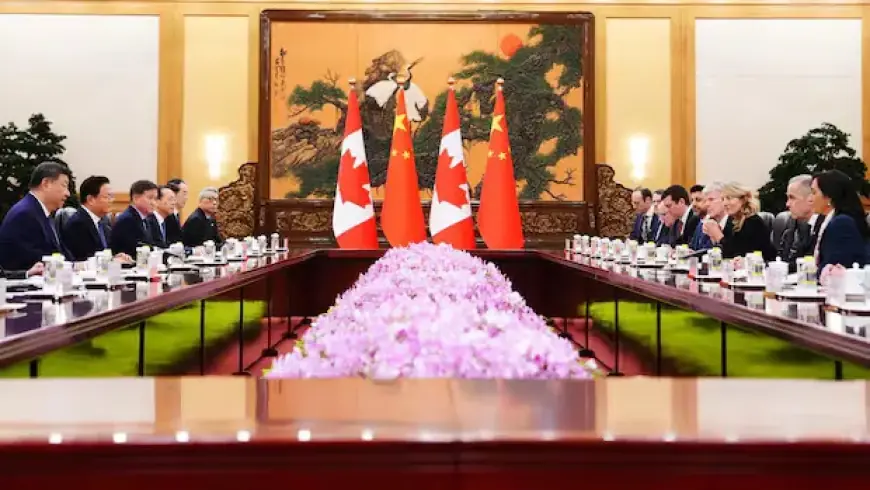
The Canadian government has made a significant move by signing a deal with China to enhance trade relations. Prime Minister Mark Carney heralded this agreement as a “landmark” step during a press conference in Beijing. This partnership comes amidst a decade-long period of strained ties between the countries, marking a potential turning point in Canada-China relations.
Key Details of the Canada-China Deal
While specifics of the agreement are still emerging, several major points have been outlined:
- Canada has agreed to accept 49,000 Chinese electric vehicles (EVs) at a reduced tariff rate of 6.1%, down from a previously planned 100% tariff set to take effect in 2024.
- In return, China is expected to lower tariffs on Canadian canola to 15% by March 2026.
- Beijing will also eliminate tariffs on Canadian canola meal, lobsters, crabs, and peas.
- Progress is being made regarding Canadian pork exports, although tariffs on these products remain in place for now.
Background of Tariff Relations
The recent agreement comes after a tumultuous history between Canada and China, particularly over tariffs. Tensions significantly escalated following the 2024 announcement by the Trudeau administration regarding tariffs on Chinese EVs, mirroring actions taken by the United States.
China retaliated by initiating an anti-dumping investigation into Canadian canola imports and subsequently imposed 100% tariffs on Canadian canola oil and related products in March 2025.
Political Reactions
The response to the deal has varied among Canadian leaders:
- Saskatchewan Premier Scott Moe praised the agreement, calling it a positive step for Canada’s agriculture industry.
- Manitoba Premier Wab Kinew expressed his approval, highlighting the need for tariff relief for canola.
- Conversely, Ontario Premier Doug Ford criticized the arrangement, arguing it could harm the Canadian auto sector by allowing “Chinese subsidized spy cars” into the market.
Industry Perspectives
Responses from industry leaders further illustrate the divide. Agricultural representatives expressed optimism, believing the deal will bring much-needed stability to the canola market.
On the other hand, the auto industry is cautious. Concerns were raised over the implications of allowing imported Chinese EVs, particularly regarding job security and market competition with U.S. manufacturers.
Conclusion
The Canada-China deal on electric vehicles and canola reflects a crucial moment in international trade relations. It opens avenues for increased market cooperation while also posing risks for specific sectors, especially the automotive industry. As discussions continue, both countries will be closely monitoring the repercussions of this agreement on their economies and international partnerships.